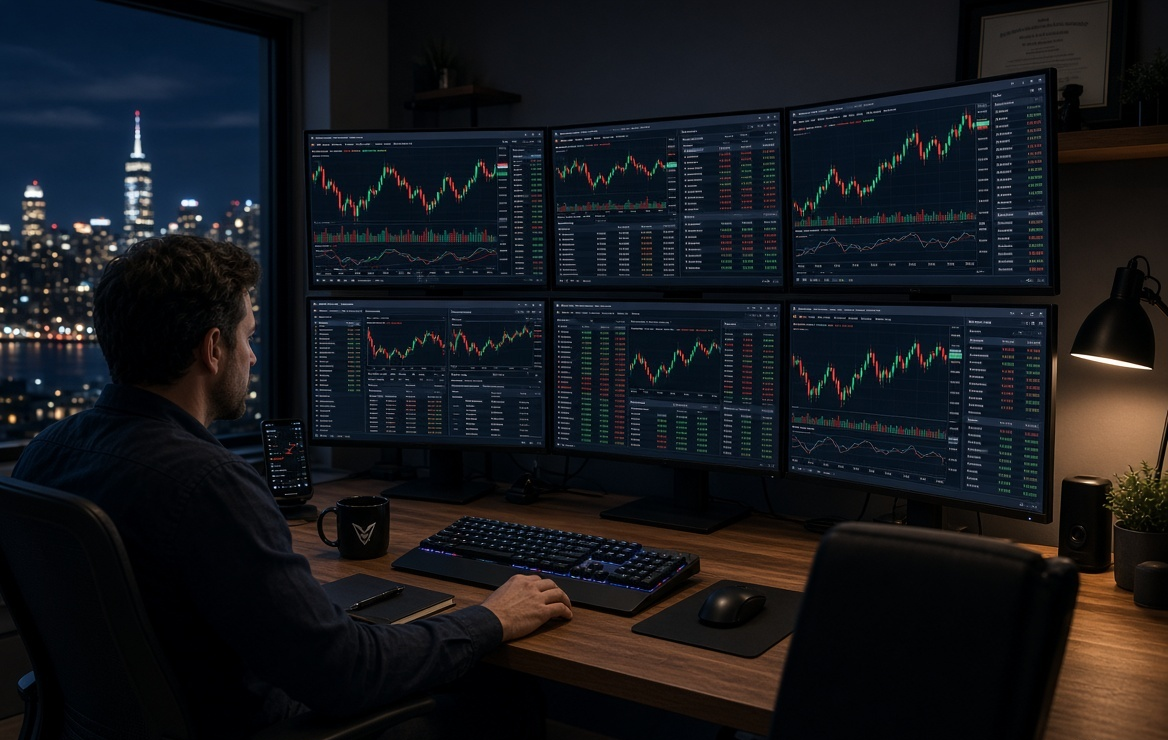
Best Day Trading Platforms for US Traders in 2026
Looking for the best day trading platforms that can keep up with fast markets, low costs, and powerful tools? You’re in the right place. Day trading in the US demands speed, reliable execution, advanced charting, competitive fees, and platforms that handle high-volume activity without lag. Whether you trade stocks, options, futures, or a mix, the right broker can make the difference between frustrating delays and smooth, precise trades.
In 2026, the landscape favors commission-free stock and ETF trading at most major brokers, strong desktop and mobile platforms, and tools built for active traders. Pattern day trader rules have evolved toward real-time intraday margin standards, giving more flexibility while still requiring smart risk management. Here’s a clear, practical guide to the top options available to US traders right now.
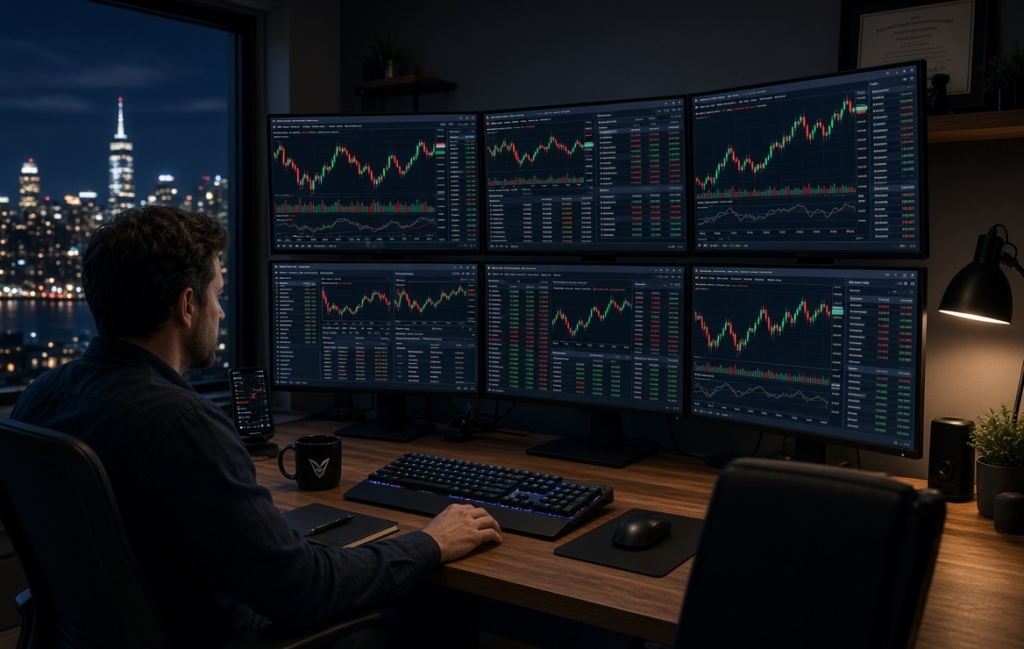
What Makes a Day Trading Platform Stand Out?
Not every brokerage is built for day trading. The best day trading platforms deliver fast order execution, Level 2 data or equivalent depth, customizable charts with technical indicators, hotkeys or one-click trading, robust scanners, and low overall costs (commissions, margin rates, and data fees). Reliability during volatile periods, paper trading for practice, and solid mobile apps also matter.
US traders should prioritize SEC-, FINRA-, and SIPC-protected brokers. Look for platforms that support margin accounts efficiently and offer educational resources if you’re still building experience. Platforms that excel in one area (like options tools or futures) may not be ideal for pure stock scalping, so match the platform to your primary market.
Top 5 Best Day Trading Platforms for US Traders in 2026
After reviewing current rankings, hands-on testing summaries, and trader feedback, these five consistently rise to the top for US-based day traders:
1. Interactive Brokers (IBKR)
Interactive Brokers remains a favorite for serious day traders. Its Trader Workstation (TWS) offers professional-grade tools, smart order routing, low commissions (especially on the Pro tier with volume discounts), competitive margin rates, and access to stocks, options, futures, forex, and more. Execution quality and global market reach stand out. Ideal for experienced traders who want precision and cost efficiency at higher volumes. Beginners may find the interface steeper to learn.
2. Charles Schwab (thinkorswim)
thinkorswim is widely regarded as one of the strongest desktop platforms available. Excellent charting, options analysis, real-time data, customizable layouts, and powerful order-entry tools make it a powerhouse for active stock and options day trading. Commission-free online equity trades and solid research support it. Great for traders who spend hours analyzing charts and managing complex positions. Mobile and web versions complement the desktop experience.
3. Fidelity
Fidelity shines for traders who want strong research, education, and a capable platform without overwhelming complexity. Active Trader Pro delivers solid tools for day trading, while the overall platform is more approachable for those newer to frequent trading. $0 stock and ETF commissions, excellent customer service, and broad investment options make it a balanced choice. Particularly useful if you mix day trading with longer-term investing.
4. TradeStation
TradeStation appeals to systematic and active traders with robust backtesting, strategy automation (via EasyLanguage), and strong tools for stocks, options, and futures. Competitive pricing for active users and professional-level charting help it stand out. It’s a solid pick if you develop or automate strategies rather than relying purely on discretionary trading.
5. Webull
Webull offers a clean, modern interface with strong free charting, paper trading, and $0 commissions on stocks and many options. It’s especially popular among mobile-first and retail day traders who want accessible tools without high fees. Level 2 data and margin options are available, making it a practical entry point or secondary platform for active trading.
Other notable mentions include tastytrade (strong for options), Robinhood (simple mobile experience and extended hours), and specialized futures platforms like NinjaTrader. Your exact ranking can shift based on whether you focus on stocks, options, or futures.

Key Features to Look for in Day Trading Platforms
When evaluating the best day trading platforms, prioritize these elements:
- Speed and execution quality — Milliseconds matter during news events or opening volatility.
- Cost structure — Commission-free stocks are common, but watch options contract fees, futures commissions, margin interest, and data subscriptions.
- Charting and analysis tools — Multiple timeframes, indicators, drawing tools, and scanners.
- Order types and risk controls — Bracket orders, stop-losses, trailing stops, and position sizing helpers.
- Platform reliability and multi-device support — Desktop for deep analysis, mobile for on-the-go monitoring.
- Paper trading and education — Essential for testing strategies risk-free.
- Regulation and protection — Stick with established, regulated US brokers.
Test platforms with demo accounts whenever possible before committing real capital.
How to Choose the Right Platform for Your Style
Match the platform to how you actually trade. Pure stock scalpers often prefer Interactive Brokers or Webull for speed and cost. Options-focused day traders lean toward thinkorswim or tastytrade. Futures traders frequently choose specialized platforms or TradeStation/IBKR. Beginners usually start with Fidelity or Webull for clearer interfaces and stronger educational support.
Consider your capital level, trading frequency, preferred assets, and whether you need advanced automation or simple execution. Open accounts at two platforms if needed—one primary and one backup—for redundancy during outages. Always verify current fees, margin requirements, and account minimums directly with the broker, as these can change.
Tips for Successful Day Trading on These Platforms
Even the best day trading platforms cannot guarantee profits. Successful traders treat the platform as a tool, not a magic solution. Start with a written plan that defines setups, risk per trade (often 0.5–1% of capital), and maximum daily loss. Use paper trading extensively. Keep detailed journals of every trade. Manage emotions—revenge trading and overtrading destroy accounts faster than any platform limitation.
Stay updated on market hours, economic calendars, and regulatory changes. Focus on liquid stocks or contracts to minimize slippage. Continuously refine your process rather than chasing the “perfect” platform. Many profitable traders use one of the platforms listed above consistently for years.
Choosing among the best day trading platforms available to US traders in 2026 comes down to your specific needs: cost efficiency, charting power, options depth, or ease of use. Interactive Brokers and Charles Schwab’s thinkorswim frequently lead for active traders, while Fidelity and Webull serve different segments well. Test a few, compare real costs for your volume, and prioritize reliability and risk controls. With the right platform and disciplined approach, you give yourself the strongest foundation for navigating the fast-paced world of day trading. Always trade only with capital you can afford to risk.